- Home
- Government
- Departments
- Public Works
- Utilities
- Water
- Detecting and Fixing Leaks
Detecting and Fixing Leaks
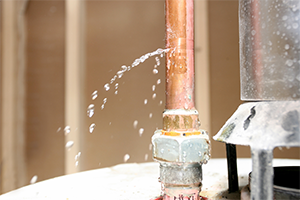 Checking for Leaks
You can use your water meter to check for leaks. This video, Using Your Water Meter to Check for Leaks, provided by the City of St. Paul, shows how an SPRWS water meter is used to detect household water leaks.
Toilet Leaks
Toilets are among the most common sources of water leaks in homes. A toilet leak can waste up to 5 gallons of water every minute, or 7,200 gallons per day.
Most toilet leaks flow from the tank on the back of the toilet into the bowl and then into the sewer, as opposed to leaking directly onto the bathroom floor. A leak from the back of the toilet will make very little noise, so it could end up costing you money. Both the water that went down the toilet and the sewer treatment for that amount of water show up on your water bill.
To check for a toilet flapper leak, follow these steps:
- Take the lid off of your toilet tank
- Put in a few drops of food coloring or a few dye tablets
- Wait 25-30 minutes
- Do not flush or use the toilet
- Look in the bowl - if the coloring has seeped from the tank into the bowl, you have a toilet leak
Check the flapper. If black residue rubs off when you touch it, you need to replace it.
Other toilet parts to check include:
- Float. If the float is not adjusted properly, water can continue filling the tank, draining down the overflow tube. Pull up on the float. If the water stops running, you might need to adjust the float.
- Fill Valve/Inlet Valve. If this is not set properly or has malfunctioned, it can sometimes cause a hiss or a squeal when filling. Try adjusting the fill valve. It may need to be replaced.
- Chain. Do you need to jiggle the handle to make the water stop running? You need to adjust the chain attached to the handle so that the flapper sits in the valve seat properly.
For more information about finding and fixing toilet leaks, view this Finding and Fixing Leaks (PDF) resource provided by City of St. Paul.